


What is the average price for agricultural land in Agali?

A buyer searching for farmland in Agali usually wants one clear number. The reality is different. There is no single fixed average price for agricultural land in Agali, because two plots with the same acreage can have very different value.
A roadside 2-acre property with water, electricity, a house, and clean documents cannot be compared directly with a 2-acre interior plot that needs access work. Both may be agricultural land. Both may be in or around Attappadi. Their pricing logic can still be completely different.
That is why the better question is not only What Is the Average Price for Agricultural Land in Agali? The better question is: what does a specific piece of land offer, and how does its asking price compare with similar properties?
This guide explains how to read farmland prices in Agali and Attappadi, how to compare properties using price per acre or cent, and what buyers should check before making a decision.

There is no single average agricultural land price in Agali
Agricultural land in Agali does not trade at one standard rate. Prices change based on what the land can support, how easy it is to reach, and what improvements already exist on the property.
A flat, accessible plot with cultivation and water sources may command a stronger price than a rocky or steep parcel. A small property with a livable house may look costly on a per-cent basis, but part of that price reflects the built structure. A larger estate may show a lower total entry cost per acre, or it may cost more if it has plantation value, road frontage, or future potential.
When people search for Agricultural Land Price in Agali: What Does Farmland Cost in Attappadi?, they often expect a market average. In practice, the range matters more than the average.
A single average can mislead buyers because it hides the details that actually drive farmland value, such as:
Acreage and shape of the plot
Road frontage and vehicle access
Water availability for farming
Existing plantation or crop value
Presence of a house or farm structure
Terrain, slope, and usability
Exact location within Agali or Attappadi
Electricity connection or nearby supply
Quality of access roads
Title, tax, and land records
Development potential, where legally allowed
Dream Treasure Realty’s current Attappadi listings illustrate this variation. Its property page shows examples including 1.15 acres at ₹40 lakh, 5.70 acres at ₹55 lakh per acre, 7 cents with a house at ₹20 lakh, and a 2-acre property at ₹36 lakh per acre.
These are individual asking prices. They are not an official market average. They are useful because they show how wide the pricing range can be when the land size, improvements, access, and features differ.
Listing prices should be compared on the same unit
The first step in comparing agricultural land is to convert the price into a common unit. In Kerala property discussions, farmland is often discussed in acres and cents.
As a general conversion:
1 acre equals 100 cents.
That means a price per acre can be divided by 100 to estimate the price per cent. A total property price can also be divided by the land extent to understand the approximate rate.
Here is how the sample Attappadi listings can be read for comparison.
Example listing | Stated asking price | Approximate comparison |
1.15 acres | ₹40 lakh total | About ₹34.78 lakh per acre |
5.70 acres | ₹55 lakh per acre | About ₹55,000 per cent |
7 cents with house | ₹20 lakh total | Land and house value are combined |
2 acres | ₹36 lakh per acre | About ₹36,000 per cent |
These numbers help create a starting point, but they do not give the full valuation. A 7-cent property with a house cannot be fairly compared with open agricultural land only by dividing the total price by seven. The house, access, utilities, and condition of the building all affect the asking price.
The same logic applies to larger farmland. A 5.70-acre property at ₹55 lakh per acre may have qualities that justify a different price level than a 2-acre property at ₹36 lakh per acre. It may have better access, stronger plantation value, water availability, or a more desirable location. Or it may be priced higher based on seller expectations. Only a proper comparison and site inspection can clarify that.
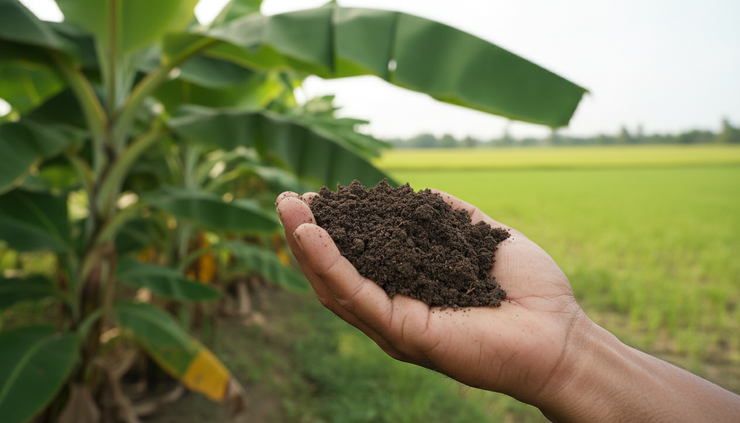
The main factors that affect farmland prices in Agali and Attappadi
Acreage is only one part of the price. In many cases, the supporting features matter just as much.
Road access changes usability
Land with proper vehicle access usually has a pricing advantage. Buyers consider whether a car, jeep, tractor, or small truck can reach the property. For agricultural use, access is not just about comfort. It affects transport of labour, materials, equipment, produce, and construction supplies.
Road frontage can also increase value because it makes the property easier to use and easier to resell. Interior land may still be attractive, especially if it is fertile or scenic, but limited access can reduce practical value.
Water availability is central to farming value
For agricultural land, water is one of the biggest price factors. A property with a well, natural stream, pond, irrigation access, or dependable seasonal water source may be priced differently from dry land.
Buyers should not rely only on verbal claims. It is better to inspect the land during different conditions where possible and ask clear questions about:
Source of water
Summer availability
Existing irrigation lines
Well depth and condition
Neighbouring water use
Any shared access rights
A plot with water may support farming plans more easily, while land without a clear water source may need extra investment.
Existing plantation can add value
Agricultural land in Attappadi may include coconut, arecanut, banana, pepper, or other crops depending on the property. A productive plantation can add value because it represents existing agricultural use and possible income.
The value depends on the type of crop, age of plants, maintenance quality, yield history, and irrigation. A neglected plantation may need more spending before it becomes useful. A well-maintained plantation can support a higher asking price.
A house or structure changes the calculation
Some farmland listings include an existing house, farmhouse, shed, or worker accommodation. This can make the total price look higher, especially for smaller plots.
For example, a 7-cent property with a house at ₹20 lakh should not be judged the same way as 7 cents of empty land. The building may account for a major part of the value. Its condition, age, roof quality, water connection, electricity, and access all matter.
Terrain affects usable land
In hilly areas, the difference between total land and usable land can be significant. A property may measure several acres on paper, but steep slope, rocks, uneven ground, or forest-like sections may reduce the area that can be cultivated easily.
Flat or gently sloping land often offers more flexibility. Steeper land may still suit certain plantations, eco-living plans, or long-term holding, but it should be valued with its real usability in mind.

How to compare two agricultural properties fairly
The most common mistake is comparing only total price. Total price matters because it decides affordability, but it does not explain value.
A better comparison looks at both the unit price and the property features.
Take this simple example:
Property A
2 acres with a house, road access, electricity, and water source
Property B
2 acres without a house, limited access, and unclear water availability
Both properties have the same acreage. Still, Property A may reasonably have a higher asking price because it includes built value and better usability. Property B may be cheaper, but the buyer may need to spend more later to improve access, arrange water, or build basic facilities.
Before judging whether a property is high or low-priced, compare these points:
Total extent in acres and cents
Asking price per acre or per cent
Exact location and distance from main roads
Road access quality
Water source and reliability
Electricity availability
Existing crops or plantation
House, shed, fencing, or other structures
Terrain and amount of usable land
Document clarity
Restrictions, permissions, and local rules
This method gives a more realistic picture than looking at a single number. It also helps avoid overpaying for land that looks attractive at first but needs heavy investment later.
What buyers should check before buying agricultural land in Agali
Agricultural land purchase should be handled carefully. This guide is for general information only and is not a substitute for professional legal, tax, valuation, or land-use advice.
Before buying farmland in Agali or anywhere in Attappadi, buyers should slow down and verify the basics.
Compare several properties before deciding
One listing does not define the market. Compare multiple properties with similar acreage, location, access, water availability, and documentation. This makes it easier to understand whether an asking price is reasonable.
A property that appears expensive may offer better road frontage or water. A property that looks cheaper may have access issues, unclear boundaries, or weak documents. The comparison only becomes meaningful when similar features are placed side by side.
Inspect the land physically
Photos and descriptions are useful, but they cannot replace a site visit. A physical inspection helps confirm the slope, access road, boundaries, nearby houses, water points, vegetation, and general condition of the land.
During inspection, check whether the land can be used for the purpose you have in mind. Farming, weekend use, plantation development, and long-term holding can all require different features.
Verify documents with professional support
Land documentation is a critical part of the purchase. Buyers should verify title records, tax receipts, survey details, possession, encumbrance, land classification, and any rights of way.
In Kerala, agricultural land and hill-region properties may involve local considerations that need proper checking. A qualified legal professional and local documentation expert can help identify risks before payment.
Check water and access in practical terms
A listing may mention water and road access, but the details matter. A pathway may not be enough for regular farming use. A seasonal water source may not be enough for year-round cultivation.
Ask direct questions and verify them on-site:
Can a vehicle reach the property?
Is the road public, private, shared, or disputed?
Is there water in summer?
Is the well or stream inside the boundary?
Are there written rights for shared access or water use?
Understand future development limits
Some buyers look at agricultural land with future development in mind. This needs caution. Do not assume that land can be converted, subdivided, built upon, or used for non-agricultural purposes without approvals.
Rules can vary based on land classification, location, ecology, local body regulations, and other restrictions. Check with the relevant authorities and professionals before treating development potential as part of the value.

Dream Treasure Realty can help with current Agali and Attappadi listings
Farmland prices in Agali and Attappadi are best understood property by property. The examples from Dream Treasure Realty show why a single average price is not enough. A 1.15-acre parcel, a 5.70-acre holding, a small house property, and a 2-acre farmland listing can all sit in the same broad region while following different pricing logic.
That does not mean buyers should ignore price. It means the price should be read properly.
A useful approach is:
Convert the price into acre or cent value.
Compare only with similar properties.
Inspect the land in person.
Verify water, access, electricity, and documents.
Get legal and professional advice before committing.
For updated availability and property-specific pricing in Agali and Attappadi, 👉 contact Dream Treasure Realty and compare current farmland options before making a purchase decision.


Comments